· 3 min read · By White Buffalo Bespoke
North London and Hertfordshire are full of Victorian, Edwardian and 1930s homes with original detail: plaster cornices, timber sash windows, tiled hallways and period fireplaces. A good renovation makes them warm, safe and practical without stripping away the reasons people fell in love with them.
Start by understanding what you have
Before deciding what to change, find out what is original, what is later alteration and what needs repair. That drives the whole plan. A short survey and a walk-through with your builder will flag:
- features worth saving, and how much work that involves
- damp, movement or previous poor repairs
- outdated wiring and pipework that should be replaced
- whether the property is listed or in a conservation area
Restore original features wherever possible
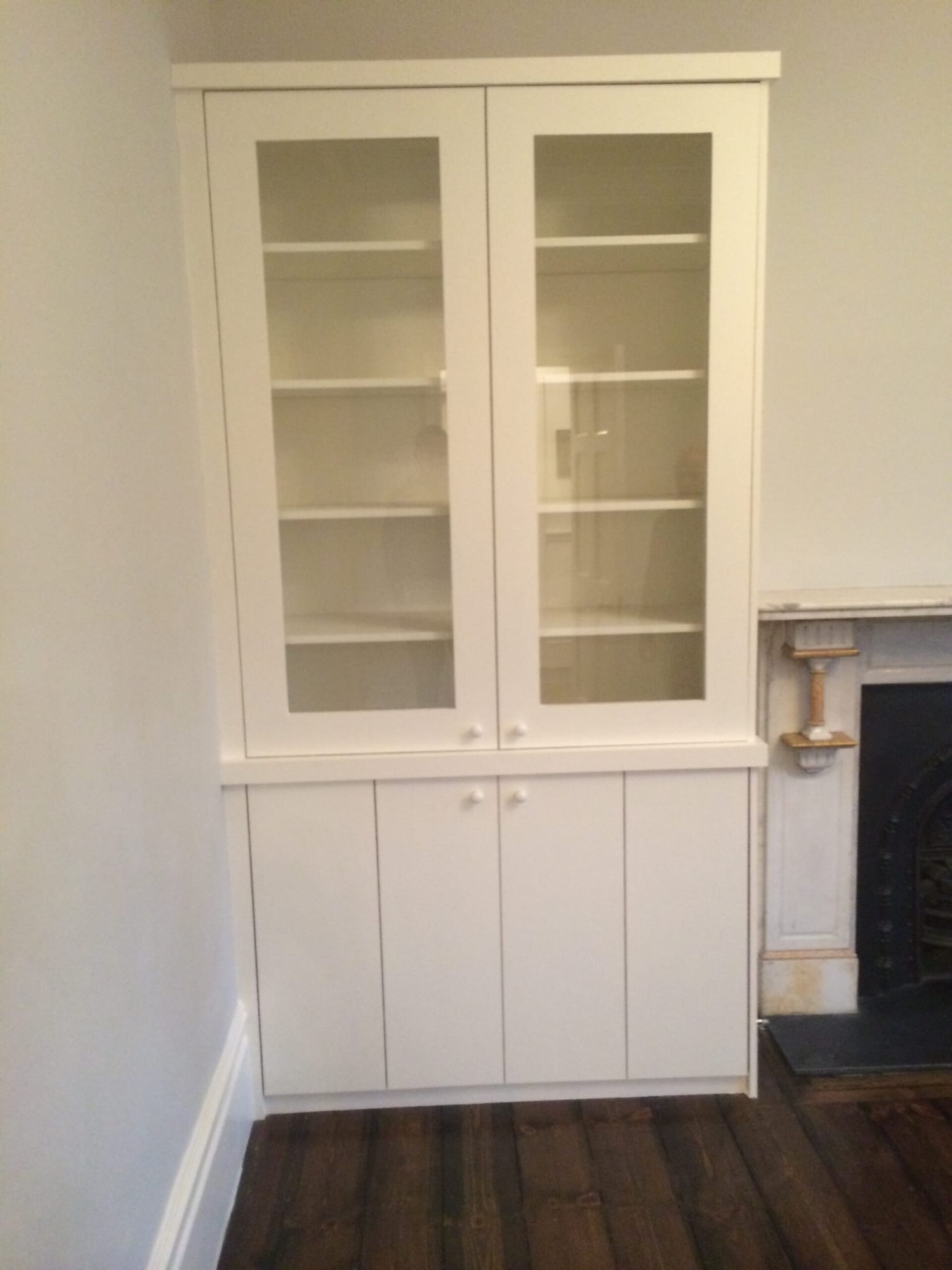
We restore original cornices, fireplaces, joinery and floors wherever we can, and we always talk you through what can be saved and how. Repairing is often cheaper and better than replacing: original floorboards, skirting boards and doors have a quality that is hard to buy new.
Where something has to be replaced, match the profile. Skirting, architraves and mouldings that echo the originals make new work sit naturally alongside the old.
Sash windows: repair before replacing
Timber sash windows are a signature of period homes, and most can be repaired, draught-proofed and made to work smoothly again. If replacement is necessary, like-for-like timber sashes with slim double glazing keep the character. In a conservation area or a listed building, you may need consent to change windows at all.
Use breathable materials on old walls
Older solid-wall homes manage moisture differently from modern cavity-wall houses. Traditional lime-based plasters and mineral or breathable paints let walls dry out, whereas impermeable modern finishes can trap damp. Talk to your builder about the right materials for each wall before decorating.
Bring services up to date, discreetly
Wiring, plumbing and heating are usually the first things to upgrade in a period house. The trick is to do the work with minimal visible impact: chasing cables behind skirtings, routing pipes carefully and choosing radiators and light fittings that suit the house.
Add comfort without harming the fabric
- Insulation: loft insulation is straightforward. Wall and floor insulation need more thought on older buildings to avoid trapping moisture.
- Heating: modern radiators, underfloor heating in extensions and efficient boilers can make a big difference.
- Draughts: draught-proofing around sashes, doors and floorboards is a cheap, effective first step.
Check consents
Listed building consent and conservation area rules can affect windows, doors, extensions and even paint colours in some cases. It is much easier to check before you start than to reverse work afterwards.
Modernise the layout with care
Knocking through can create the open-plan living many families want, but it involves structural steel and can affect original features like chimney breasts and cornices. A considered plan often keeps the character of the front rooms while opening up the back of the house.
Work with people who do this every day
We manage the whole renovation, coordinating every trade, ordering materials and running the schedule, so you have one point of contact rather than a dozen contractors. Read about our renovation service, look at finished projects in the gallery or book a free visit.